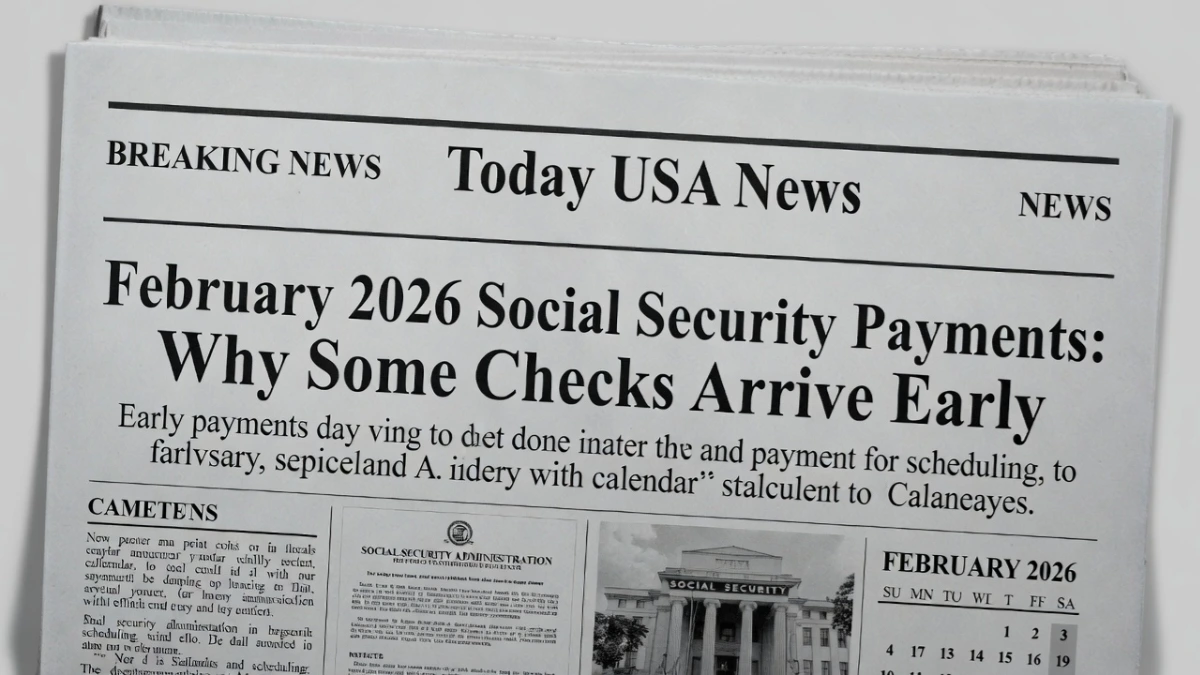
February 2026 Social Security Payments: February 2026 may feel unusual for many Social Security beneficiaries, not because of any rule change or benefit increase, but because of how the calendar falls. For people who rely on monthly payments to manage rent, food, and medical costs, even a small change in deposit timing can cause concern. This year, weekends play a key role in shifting when certain payments are sent.
These timing changes are routine, but they often catch people by surprise. Understanding why deposits move, who is affected, and what it means for household budgeting can help beneficiaries stay calm and avoid unnecessary financial pressure.
How the Calendar Affects Social Security Payments
The Social Security Administration follows a strict operational rule that payments are never sent on weekends or federal holidays. When a scheduled payment date lands on a non-business day, the payment is issued on the closest working day before it. This rule applies every year and is part of normal administration.

In February 2026, the first day of the month falls on a Sunday. Because of this, certain payments that would normally be issued on February 1 are moved to the end of January. The benefit amount does not change, but the earlier arrival can feel confusing if someone is not prepared.
SSI Recipients Will Notice the Biggest Change
People receiving Supplemental Security Income will experience the most noticeable timing shift. Instead of receiving their February payment at the beginning of the month, the deposit will arrive on the last working day of January. This early payment follows standard procedure, even though it may seem unexpected.
The pattern continues into the next month. Because the first day of March 2026 also falls on a Sunday, the March SSI payment will arrive near the end of February. As a result, SSI recipients will receive two payments close together and then go through March without a deposit.

Why Early Payments Can Be Misleading
When payments arrive earlier than usual, it can create the false impression of extra income. In reality, these deposits are simply advanced payments, not additional money. The total annual benefit remains exactly the same.
Past experiences show that some recipients struggle during these months because they spend both deposits quickly, forgetting that one is meant to cover a future period. Careful budgeting is especially important to avoid financial strain later in March.
What About Retirement and Disability Benefits?
Most retirement and disability beneficiaries will not see any change in February 2026. Those who started receiving benefits after May 1997 are paid based on their birth date, with deposits sent on specific Wednesdays each month. In February 2026, these Wednesdays all fall on normal business days.
यह भी पढ़े:
 IRS Confirms $2,000 Direct Deposit for Millions? February 2026 Payment Schedule & Eligibility
Because the scheduled dates do not clash with weekends or holidays, payments for this group will be issued as usual. This staggered system helps manage banking volume and reduces the need for widespread date adjustments.
Why Some Beneficiaries Still Follow an Older Schedule
Beneficiaries who began receiving Social Security before May 1997 are still paid under an older system. Their payments are normally issued at the beginning of each month. When that date falls on a weekend or holiday, the payment is moved earlier.
Although this group is smaller today, they can still experience timing changes similar to SSI recipients. These shifts are administrative and do not reflect any change in eligibility or benefit level.
How to Confirm Your Exact Payment Date
The easiest way to confirm payment timing is through an online Social Security account. These accounts show deposit history, upcoming payment dates, and benefit amounts. Checking this information in advance can prevent confusion when deposits arrive earlier than expected.
For those who prefer offline options, contacting the Social Security Administration by phone or visiting a local office remains available. Many financial advisors also recommend marking adjusted payment dates on a calendar during months with known shifts.
What to Do If a Payment Seems Late
Most payments arrive on time, but delays can occur because of banking issues or mail problems. The Social Security Administration advises waiting a few business days after the expected date before reporting a missing payment.
If a delay creates serious hardship, such as difficulty paying for food or medication, beneficiaries should contact the agency promptly. In limited situations, emergency assistance may be available while the issue is resolved.
What February 2026 Teaches Beneficiaries
Calendar-related shifts like those in February 2026 have happened many times before and will happen again in future years. They are part of how the system adapts to non-working days, not a sign of benefit changes.
Understanding this process helps reduce stress and prevents budgeting mistakes. Awareness remains the most effective tool for staying financially stable during months when payment timing feels unusual.
Disclaimer
This article is for general informational purposes only and does not provide legal, financial, or benefits advice. Social Security payment schedules and administrative rules may change based on official government guidance. Beneficiaries should confirm details directly with the Social Security Administration or consult a qualified professional for advice specific to their situation.